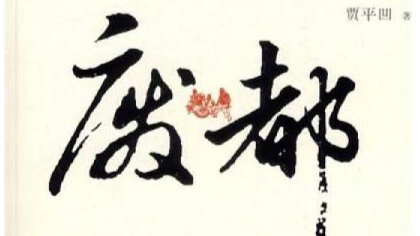
Ruined City
Introduction
Ruined City is a novel by renowned Chinese author Jia Pingwa. Originally written in Chinese, it was translated into English by Howard Goldblatt and released in January 2016. The novel provides a vivid exploration of Chinese society and culture, capturing the complexities of human nature and societal changes. It addresses themes of cultural identity, social upheaval, and the tension between tradition and modernity, offering deep insights into the intricacies of contemporary Chinese life.
Author Background
Jia Pingwa, born in 1952, is a prolific Chinese novelist known for his exploration of rural and urban life in China. His works are deeply rooted in Chinese culture, history, and societal issues, drawing influence from ancient Chinese literature, Russian realism, Western modernism, and revolutionary realism. Over his career spanning more than 45 years, Jia has published numerous novels and other literary works, becoming a significant figure in contemporary Chinese literature. Jia's ability to produce compelling narratives depicting the Chinese experience has earned him both national and international acclaim.
Historical Context
Ruined City was banned in China for 16 years due to its controversial content, which critically examines the socio-political landscape of China. The novel's ban was lifted in 2009, allowing it to reach a broader audience.
Plot Overview
The novel weaves a rich narrative set in a fictional city in China, where various characters navigate the tumult of modern life. Central to the plot is the tension between progress and tradition, as the city grapples with rapid development and cultural shifts. The story delves into the lives of individuals from diverse backgrounds, each representing different facets of Chinese society. Through these characters, Jia Pingwa paints a complex portrait of a society in transition, highlighting the personal and collective struggles faced by its people.
Themes and Analysis
Ruined City explores several key themes, including the clash between tradition and modernity, the exploration of personal identity amid societal changes, and the impact of historical events on contemporary life. Jia Pingwa uses his characters to examine the intricacies of human relationships and the moral dilemmas faced by individuals as they navigate a rapidly changing world. The novel is also a commentary on the effects of urbanization and globalization, reflecting on how these forces shape cultural and social dynamics.
Reception and Impact
The translation of Ruined City into English marks a significant milestone in the growing international recognition of contemporary Chinese literature. The novel has received acclaim for its intricate storytelling and profound commentary on Chinese culture and society. This work, like others by Jia Pingwa, has enriched global dialogues by illustrating both the universal and uniquely Chinese dimensions of the human experience, fostering a deeper appreciation of Chinese literary traditions.
Jia Pingwa's works, including Ruined City, serve as literary chronicles of modern Chinese history, capturing the essence of life from the early 1900s to the present. His nuanced exploration of themes such as the tension between individual desires and societal expectations reflects the socio-political realities of China, further solidifying his stature as a vital voice in contemporary literature.








